Overview Summary
- A car that pulls to one side can be caused by tire, alignment, brake, or suspension issues.
- Uneven tire wear and incorrect tire pressure are among the most common causes.
- Pulling while braking may point to brake system problems rather than tires alone.
- Ignoring steering pull can reduce tire life and affect vehicle safety.
- Simple maintenance like tire rotations and pressure checks can help prevent problems.
- Knowing the warning signs early may help avoid more expensive repairs later.
When Your Car Doesn’t Feel Straight Anymore
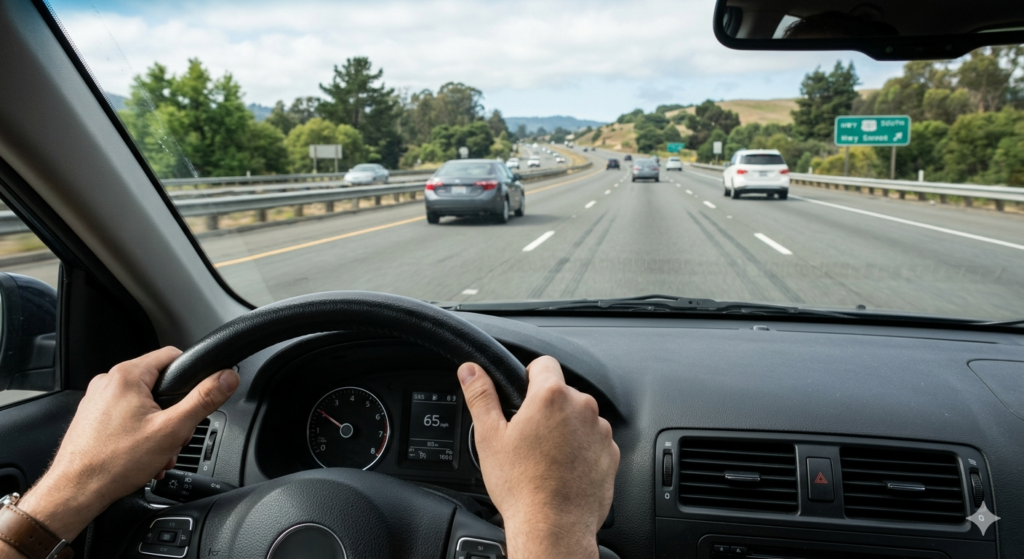
Most drivers notice it gradually. You loosen your grip on the steering wheel for a moment, and the vehicle starts drifting left or right. Or maybe you feel like you constantly have to correct the steering just to stay centered in your lane.
A vehicle that pulls to one side is more than just an annoyance. It can be an early warning sign that something is wrong with your tires, alignment, brakes, or suspension system. In many cases, the issue starts with the tires themselves.
Understanding what causes a pulling sensation can help you catch problems early before they lead to uneven tire wear, poor handling, or costly repairs.
Tire Pressure Is Often the First Thing to Check
One of the simplest and most overlooked causes of pulling is uneven tire pressure.
If one tire has significantly less air pressure than the others, it creates additional rolling resistance. That makes the vehicle naturally drift toward the lower-pressure side.
Temperature swings, slow leaks, or seasonal weather changes can all affect tire pressure without drivers realizing it.
Common signs of tire pressure-related pulling include:
- The vehicle suddenly starts drifting after a temperature change
- The steering feels heavier on one side
- The issue improves after inflating the tires
- One tire appears visibly lower than the others
Checking tire pressure regularly is one of the easiest ways to improve tire life, fuel economy, and overall vehicle safety.
Uneven Tire Wear Can Cause Steering Problems
Tires that wear unevenly can also create pulling or drifting sensations. As tread patterns wear differently from side to side, the tires no longer grip the road evenly.
Several issues can contribute to uneven wear:
- Missed tire rotations
- Improper wheel alignment
- Worn suspension parts
- Overinflation or underinflation
- Aggressive driving habits
A common example is when the inside edge of a tire wears down faster than the rest of the tread. This changes how the tire contacts the road and can make the vehicle pull consistently in one direction.
Drivers may also notice:
- Vibrations in the steering wheel
- Increased road noise
- Reduced traction in wet conditions
- Faster tread wear overall
Routine tire inspections can often reveal these issues before they become severe.
Wheel Alignment Problems Are a Major Cause
If your steering wheel feels off-center or your vehicle drifts even on straight roads, wheel alignment may be the issue.
Wheel alignment refers to how the tires are angled relative to the road and each other. Hitting potholes, curbs, or rough roads can gradually knock alignment out of specification.
Poor alignment can cause:
- Constant pulling left or right
- Crooked steering wheel position
- Rapid tire wear
- Reduced fuel efficiency
- Less stable handling
Even a small alignment issue can shorten the life of your tires significantly over time.
Sometimes the Problem Isn’t the Tires
While tires are often involved, pulling can also come from other vehicle systems.
Brake Problems
If your car pulls mainly while braking, a sticking brake caliper could be causing uneven braking force between wheels.
Signs may include:
- Burning smells near a wheel
- Excessive brake dust on one side
- Vehicle jerking during braking
- Reduced fuel economy
Suspension or Steering Components
Worn suspension parts can also affect vehicle stability and steering behavior.
Potential causes include:
- Worn ball joints
- Damaged tie rods
- Weak shocks or struts
- Suspension bushing wear
These problems may create pulling, wandering, vibrations, or unstable handling at highway speeds.
When You Should Have It Checked
A slight drift on heavily sloped roads can sometimes be normal. However, consistent pulling should not be ignored.
You should have your vehicle inspected if:
- Pulling becomes more noticeable over time
- The steering wheel is no longer centered
- Tires show uneven wear patterns
- You notice vibrations or shaking
- Pulling occurs during braking
- The vehicle recently hit a pothole or curb
Catching the issue early may prevent premature tire replacement and additional repair costs.
How Proper Tire Maintenance Helps Prevent Pulling
Many steering and handling issues can be reduced through regular tire maintenance.
Helpful habits include:
- Checking tire pressure monthly
- Rotating tires at recommended intervals
- Scheduling periodic wheel alignments
- Inspecting tread wear regularly
- Replacing worn tires before traction declines
These simple steps can improve ride quality, extend tire life, and help your vehicle track more consistently on the road.
Don’t Ignore Early Warning Signs
A vehicle that pulls to one side is often trying to tell you something. Whether the issue is low tire pressure, uneven tread wear, alignment problems, or another mechanical concern, addressing it early can help protect both your tires and your safety.
If your vehicle no longer feels stable or straight on the road, having the tires and steering system inspected can help identify the problem before it becomes more serious.
