Windshield wipers are one of the most overlooked safety features on your vehicle. Most drivers don’t think about them until they’re caught in heavy rain or snow—and suddenly can’t see clearly. Worn-out wipers can seriously reduce visibility, making it harder to spot other vehicles, pedestrians, road hazards, or changing traffic conditions.
Knowing when to replace your windshield wipers is a simple step that can help keep you safer on the road.
Why Windshield Wipers Matter More Than You Think
Your windshield wipers are your first line of defense against poor weather conditions. Whether it’s rain, sleet, snow, or even road spray from other vehicles, wipers help keep your view of the road clear.
Driving with poor visibility increases the risk of:
- Delayed reaction times
- Missing road signs or lane markings
- Difficulty judging distance
- Increased chances of accidents
Even light rain can become dangerous if your wipers aren’t working properly.
How Often Should Windshield Wipers Be Replaced?
As a general rule, windshield wipers should be replaced every 6 to 12 months. However, climate and driving conditions can shorten their lifespan.
You may need to replace them sooner if you frequently drive in:
- Hot, sunny conditions
- Freezing temperatures or snow
- Dusty or dirty environments
- Heavy rain or storms
Rubber wiper blades naturally wear down over time due to heat, cold, sunlight, and constant friction against the glass.
Clear Signs Your Windshield Wipers Need Replacing
You don’t need to be a car expert to spot worn-out wipers. Watch for these common warning signs:
Streaking or Smearing
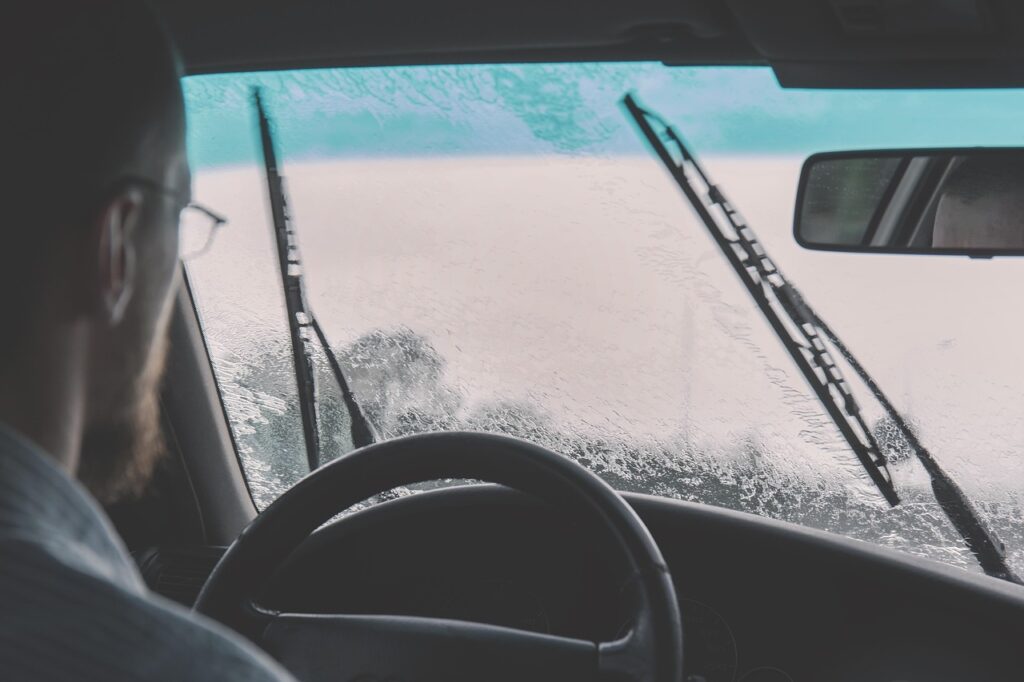
If your wipers leave streaks, lines, or a hazy film across the windshield, the rubber edge is likely worn or uneven.
Skipping or Chattering
Wipers that skip across the glass or make a chattering noise aren’t making full contact with the windshield.
Squeaking Noises
Persistent squeaking usually means the rubber has hardened or cracked.
Cracked or Torn Rubber
Visible cracks, splits, or missing pieces on the blade are a clear sign it’s time for replacement.
Poor Clearing in Rain
If rainwater isn’t being cleared evenly or quickly, your wipers are no longer doing their job.
Why You Shouldn’t Ignore Worn-Out Wipers
Driving with ineffective windshield wipers doesn’t just make driving uncomfortable—it’s unsafe. Poor visibility can turn a sudden stop, lane change, or obstacle into a serious hazard. In severe weather, worn wipers can make it nearly impossible to see clearly, especially at highway speeds or at night.
Replacing wipers is one of the simplest and most affordable vehicle maintenance tasks, yet it has a big impact on safety.
A Simple Step Toward Safer Driving
If you’re unsure how old your wipers are, or if they’re showing any of the signs above, it’s a good idea to have them inspected. Many drivers are surprised by how much clearer their view becomes after installing new blades.
If you’re not confident choosing or installing the right windshield wipers for your vehicle, consider having a trained automotive professional take a look. A quick check can help ensure you’re driving with the visibility you need to stay safe in any weather.
