If your tire pressure warning light seems to show up right when the seasons change, you’re not imagining things. Tire pressure is directly affected by temperature, and understanding how weather plays a role can help you avoid unsafe driving conditions, uneven tire wear, and unnecessary stress on your vehicle.
Here’s what’s really happening inside your tires and what you can do to stay safe no matter the time of year.
Why Temperature Affects Tire Pressure
Your tires are filled with air, and air expands when it’s warm and contracts when it’s cold. This means:
- Cold weather lowers tire pressure
- Warm weather raises tire pressure
A good rule of thumb is that tire pressure changes by about 1 PSI for every 10°F shift in temperature. So if the temperature drops 30 degrees overnight, your tires could lose around 3 PSI, which is enough to trigger a warning light and affect how your car handles.
What Happens to Tire Pressure in Cold Weather
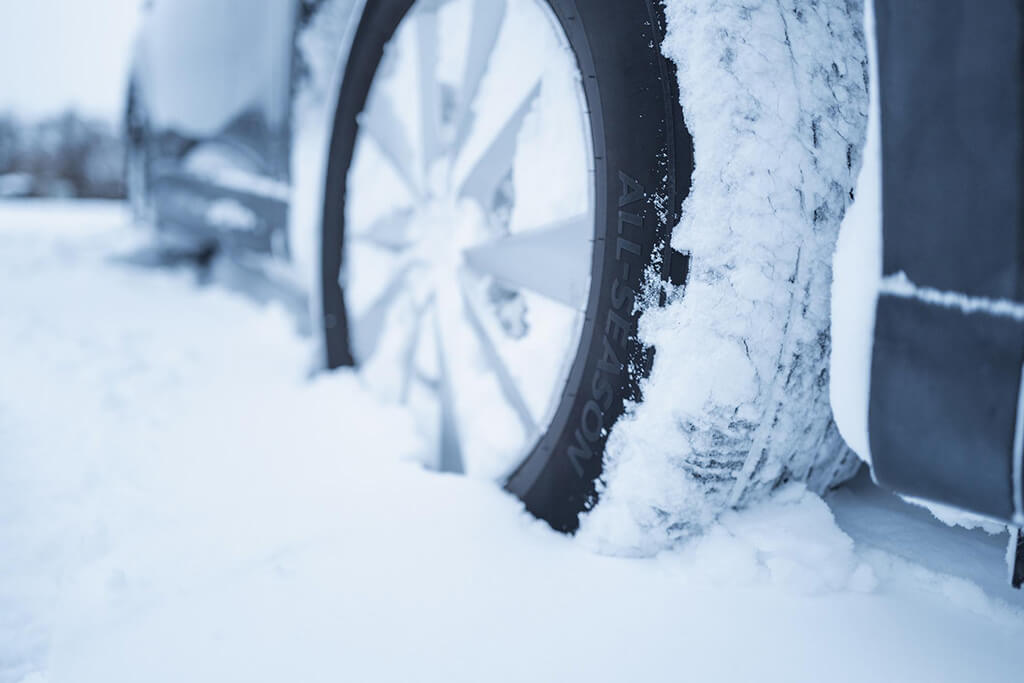
Cold weather is the most common time drivers notice tire pressure issues. As temperatures drop, the air inside your tires shrinks, causing pressure to fall.
Driving on underinflated tires can lead to:
- Reduced traction on wet, icy, or snowy roads
- Longer stopping distances
- Poor steering response
- Faster and uneven tire wear
- Lower fuel efficiency
That’s why tire pressure lights often come on in late fall or early winter—even if your tires were perfectly fine a few weeks earlier.
What Happens in Hot Weather
While cold weather lowers pressure, heat does the opposite. As temperatures rise, tire pressure increases, especially during long highway drives when friction adds even more heat.
Overinflated tires can:
- Feel stiff or bouncy
- Wear more quickly in the center of the tread
- Reduce grip during cornering
- Be more vulnerable to damage from potholes or road debris
This doesn’t mean you should let air out during summer unless your tires are above the manufacturer’s recommended pressure.
The Right Way to Check Tire Pressure
To get an accurate reading, always check tire pressure when the tires are cold, ideally before driving or at least three hours after the vehicle has been parked.
Follow these steps:
- Find your vehicle’s recommended PSI (usually inside the driver’s door jamb).
- Use a reliable tire pressure gauge.
- Check all four tires—and don’t forget the spare if you have one.
- Add or release air as needed to match the recommended PSI.
Avoid inflating tires to the PSI number printed on the tire sidewall. That number is the maximum, not the recommended level for your vehicle.
How Often Should You Check Tire Pressure?
For year-round safety, a good habit is to:
- Check tire pressure once a month
- Check it whenever temperatures change significantly
- Check it before long road trips
Even newer vehicles with tire pressure monitoring systems (TPMS) benefit from manual checks, since TPMS alerts often come on only after pressure has already dropped below safe levels.
Seasonal Tire Pressure Tips
- Fall & Winter: Expect pressure drops as temperatures fall. Be proactive before the first cold snap.
- Spring: Pressure may normalize or rise—double-check before road trips.
- Summer: Heat increases pressure naturally; stick to recommended PSI and avoid overinflation.
Why Staying on Top of Tire Pressure Matters
Proper tire pressure helps:
- Improve braking and handling
- Maximize tire lifespan
- Boost fuel efficiency
- Reduce the risk of blowouts
- Keep your vehicle stable in all weather conditions
It’s one of the simplest and most important steps you can take to keep your car safe and dependable year-round.
Weather changes are unavoidable, but unsafe tires don’t have to be.
By understanding how temperature affects tire pressure and making quick monthly checks part of your routine, you can drive with more confidence no matter the season. And if you’re ever unsure about your tire pressure or notice uneven wear, a quick inspection by a tire professional can help catch small issues before they turn into bigger problems.
