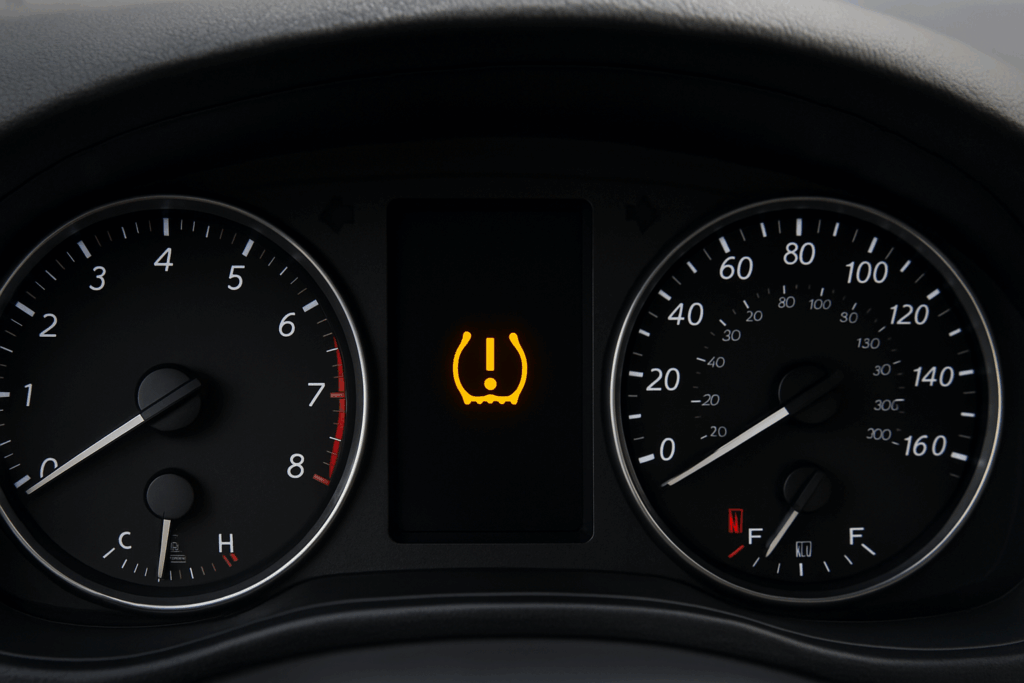
Seeing a light pop up on the dashboard tends to induce a degree of panic in most drivers. The tire pressure warning symbol is one of these lights that can come on unexpectedly. Your vehicle is letting you know that at least one tire isn’t at the right pressure and needs attention soon. Taking care of it right away can help prevent a flat tire, improve fuel economy, and keep your vehicle handling the way it should.
Why Does The Tire Light Come On?
Most modern vehicles use a system called TPMS (Tire Pressure Monitoring System). This system measures the air pressure in your tires and turns on the warning light when the pressure drops below a safe level. Low pressure doesn’t always mean something is wrong with the tire itself. Temperature changes, especially in the fall and winter, can cause air pressure to drop overnight. A tire that was perfectly fine in warm weather may trigger the light on a chilly morning.
However, low pressure can also be caused by a slow leak, a nail or screw in the tread, worn valve stems, or natural air loss over time. No matter the cause, the light is telling you it’s time to check things out.
Step One: Inspect Your Tires
When the light comes on, pull over somewhere safe and take a quick look at all four tires. If one looks noticeably flatter than the others, avoid driving on it for long as this can cause uneven wear or damage. If everything looks normal, the issue may simply be a small pressure drop that still requires a check.
Step Two: Check and Adjust the Pressure
Head to the nearest gas station or tire shop to check the pressure. Many air pumps have built-in gauges that make this easy. Your correct tire pressure is usually listed on a sticker inside the driver’s door. You can also check your vehicle owner’s manual. Use the manufacturer’s recommendation as your guide and inflate each tire to the appropriate level.
If the light goes off after adding air, you likely solved the issue. Just keep an eye on it over the next few days.
Step Three: Know When It’s More Serious
If the tire light comes back quickly or never turns off, there may be a leak or a damaged tire. It is also possible that there is an issue with one of the TPMS sensors. A technician can do an inspection and recommend the right course of action. Don’t put this off because even a small puncture can slowly let out air and eventually lead to a flat.
Don’t Ignore the Tire Pressure Light!
Driving with low tire pressure may seem harmless, but it can actually make your car harder to control, increase stopping distance, and wear out the tire more quickly. The warning light is simply your vehicle’s way of looking out for you.
When your TPMS light comes on, think of it as a friendly reminder, not a cause for panic. A few quick checks can keep you safe, save you money, and help ensure your vehicle stays dependable on the road.
