Key Takeaways
- Uneven tire wear usually points to an underlying vehicle or maintenance issue.
- Common causes include poor alignment, improper tire pressure, suspension wear, and missed tire rotations.
- Uneven wear can reduce traction, shorten tire life, and increase stopping distance.
- Regular inspections can help catch wear patterns early.
- Tire rotation and proper inflation are two of the easiest ways to prevent premature wear.
- Fixing the root cause matters, otherwise new tires may wear out quickly too.
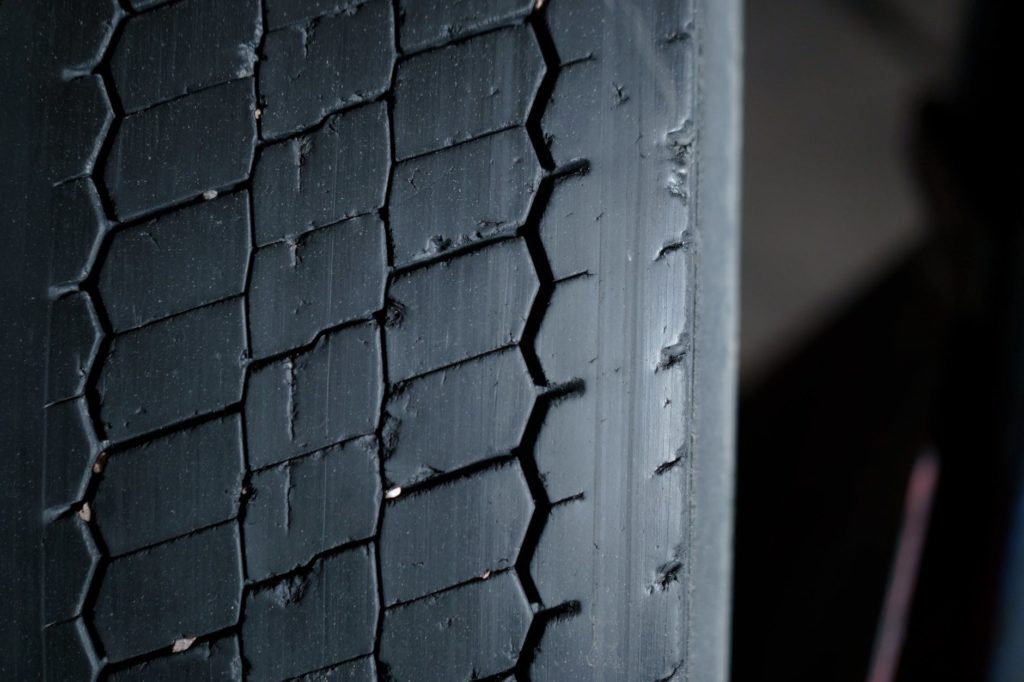
Tires rarely wear out perfectly evenly on their own. If one edge is wearing faster than the other, the center tread looks bald, or certain spots feel more worn than the rest, your vehicle is trying to tell you something.
Uneven tire wear is more than a cosmetic issue. It can affect handling, fuel economy, ride comfort, and safety. The good news is that most causes are preventable when caught early.
What Is Uneven Tire Wear?
Uneven tire wear happens when some areas of the tread wear down faster than others. A healthy tire should wear at a relatively consistent rate across the full tread surface. When it does not, it often indicates a problem with the tire, the vehicle, or maintenance habits.
Common signs include:
- One shoulder wearing faster than the other
- Center tread wearing faster than edges
- Both edges wearing faster than the center
- Cupping or scalloped dips in the tread
- Flat spots or patchy wear
Different wear patterns often point to different causes.
Improper Tire Pressure Causes Fast Wear
One of the most common causes of uneven wear is incorrect tire pressure.
Underinflated Tires
When tires are underinflated, more of the outer edges contact the road.
This causes:
- Faster wear on both shoulders
- Increased rolling resistance
- Reduced fuel efficiency
- More heat buildup
Underinflation also makes tires flex more, which can shorten their lifespan.
Overinflated Tires
Overinflation causes the center of the tread to carry more load.
This often leads to:
- Excess center wear
- Reduced traction
- Harsher ride quality
- Greater impact damage risk
Checking tire pressure monthly can significantly reduce preventable wear.
Poor Wheel Alignment Wears Tires Unevenly
Wheel alignment affects how your tires contact the road. Even a small alignment issue can cause rapid wear.
Common causes of alignment problems include:
- Hitting potholes
- Striking curbs
- Minor accidents
- Suspension component wear
Signs you may need alignment:
- Vehicle pulls left or right
- Steering wheel feels off-center
- Uneven inner or outer edge wear
- Steering feels unstable
Misalignment often causes one edge of the tire to wear much faster than the other.
Missing Tire Rotations Shortens Tire Life
Front and rear tires do different jobs.
In many vehicles, front tires handle:
- Steering
- Most braking force
- Greater cornering loads
- Additional weight from the engine
That means front tires often wear faster. Without regular rotation, one set may wear out much sooner. Most drivers should rotate tires every 5,000 to 8,000 miles, though vehicle recommendations vary.
Regular rotation helps:
- Balance tread wear
- Improve ride quality
- Extend tire life
- Improve overall performance
Suspension Problems Can Cause Cupping
Worn suspension parts can create unusual tread patterns.
Common components include:
- Shocks
- Struts
- Ball joints
- Bushings
When suspension components wear, the tire may bounce instead of maintaining smooth road contact.
This can cause cupping, which looks like:
- Scalloped dips
- Wavy tread surfaces
- Patchy low spots
Cupped tires often create road noise and vibration. If your car feels bouncy or noisy, suspension wear may be involved.
Unbalanced Tires Create Flat Spots and Vibration
Wheel balancing ensures weight is distributed evenly.
When balance is off, tires may:
- Vibrate at certain speeds
- Wear in spots
- Develop flat areas
This can make driving uncomfortable and accelerate tread wear.
Balancing is often recommended:
- When installing new tires
- After repairs
- If vibration appears
Why Uneven Tire Wear Matters
Many drivers ignore uneven wear until replacement becomes necessary. That can be expensive.
Uneven wear can lead to:
- Reduced wet traction
- Longer stopping distances
- Increased hydroplaning risk
- Poor handling
- Premature tire replacement
In severe cases, worn areas may become unsafe before the rest of the tire is worn out.
How to Prevent Uneven Tire Wear
The best prevention is simple routine maintenance.
Follow these habits:
- Check tire pressure monthly
- Rotate tires regularly
- Get alignment checked when handling changes
- Inspect tread wear visually
- Address suspension issues early
- Balance tires when needed
It also helps to inspect your tires during oil changes or seasonal service.
When to Have Tires Inspected
Schedule a tire inspection if you notice:
- Vibrations while driving
- Vehicle pulling
- Unusual road noise
- Visible wear differences
- Steering changes
Early intervention can save you from replacing tires too soon.
Tires wear unevenly for a reason. Finding that reason early can improve safety, comfort, and long-term cost.
