
Key Takeaways
- A small puncture in the main tread area can often be repaired safely, depending on its size and the condition of the tire.
- Damage to the sidewall or shoulder of a tire generally means the tire needs to be replaced rather than repaired.
- Driving on a tire while it is severely underinflated or flat can cause internal damage that may make an otherwise repairable puncture unsafe to fix.
- A tire’s age, tread depth, and overall condition should be considered before deciding whether a repair makes sense.
- A proper tire repair typically requires removing the tire from the wheel so the inside can be inspected.
- If you are unsure whether a damaged tire is safe to repair, have a tire professional inspect it before continuing to drive.
Finding a nail or screw in your tire does not automatically mean you need a new tire. Many common punctures can be safely repaired, potentially allowing you to continue using the tire for thousands of additional miles.
However, not every damaged tire should be repaired. Where the damage occurred, how large it is, whether the tire was driven while flat, and the overall condition of the tire all play a role.
Understanding the difference between repairable and non-repairable tire damage can help you know what to expect when you bring a damaged tire in for inspection.
What Tire Punctures Can Usually Be Repaired?
The location of the puncture is one of the most important factors in determining whether a tire can be repaired.
A small puncture located within the main tread area is often a candidate for repair. This is the relatively flat portion of the tire that makes contact with the road.
For example, if you pick up a small nail while driving and notice your tire slowly losing pressure, the damage may be repairable if it is located safely within the tread area and the tire has not suffered additional damage.
The size and type of puncture also matter. A clean puncture from a nail or screw is very different from a large cut, tear, or irregular hole.
Even when a puncture appears small from the outside, the tire should still be inspected before a repair decision is made.
Why Sidewall Tire Damage Usually Cannot Be Repaired
If the damage is in the tire’s sidewall, replacement is generally necessary.
The sidewall is the flexible portion of the tire between the tread and the wheel. It constantly bends and flexes as you drive, particularly when the tire absorbs bumps, carries vehicle weight, and turns.
A repair in this area cannot provide the same reliable result as a properly performed tread-area repair.
Sidewall damage can take several forms, including:
- Punctures
- Cuts or gashes
- Cracks
- Bulges or bubbles
- Exposed internal cords
A bulge or bubble is particularly important to take seriously because it can indicate damage to the tire’s internal structure. A tire showing this type of damage should be inspected promptly and will typically need to be replaced.
Can a Puncture Near the Edge of the Tire Be Repaired?
The area where the tread transitions into the sidewall is commonly called the shoulder. Punctures in this area are generally not considered suitable for repair.
This can sometimes be confusing for vehicle owners because a nail may appear to be “in the tread” while actually being too close to the outer edge for a safe repair.
A tire professional can determine whether the puncture is located within the tire’s repairable area. The exact location matters, which is why simply looking at the tire from the outside may not provide a reliable answer.
Does the Size of a Tire Puncture Matter?
Yes. Even when damage is located in the tread area, the size and type of the injury can determine whether a repair is appropriate.
Small punctures caused by common road debris such as nails and screws may be repairable. Larger holes, long cuts, tears, or extensive damage generally are not.
Multiple punctures can also complicate the decision. Their locations, sizes, and proximity to previous repairs all need to be considered.
This is one reason there is no simple rule that every nail puncture can be repaired. The tire itself needs to be evaluated.
Why Driving on a Flat Tire Can Make It Unrepairable
One of the biggest factors vehicle owners may overlook is what happened after the puncture occurred.
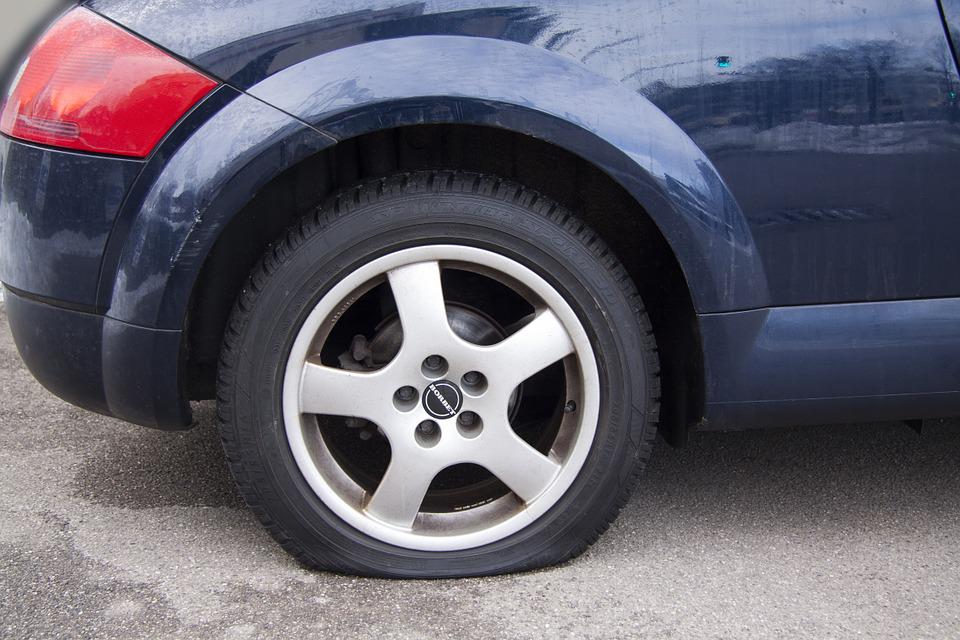
Imagine that a nail creates a small puncture in the center of your tread. Initially, that damage might be repairable. But if the tire loses most of its air and you continue driving on it, the tire can sustain additional internal damage.
When a tire is severely underinflated, its sidewalls flex much more than they are designed to. The weight of the vehicle can also pinch and damage internal tire components.
By the time you stop, the original nail hole may no longer be the primary concern.
If your tire pressure warning light comes on or you suspect a tire is rapidly losing air, find a safe place to stop and inspect the situation. Avoid driving farther than necessary on a tire that is severely underinflated or flat.
How Tire Age and Tread Wear Affect the Repair Decision
Just because damage can be repaired does not necessarily mean repairing the tire is the best option. The overall condition of the tire should also be considered.
Suppose a tire has a repairable puncture but is already heavily worn and approaching the point when it needs replacement. Paying to repair it may provide relatively little additional useful life.
A tire professional may consider factors such as:
- Remaining tread depth
- Tire age
- Uneven tread wear
- Cracking or weathering
- Previous repairs
- Other visible or internal damage
Looking at the entire tire rather than just the puncture can help determine whether a repair is both safe and worthwhile.
What Does a Proper Tire Repair Involve?
A tire repair should involve more than simply making the air leak stop. The tire generally needs to be removed from the wheel so a tire professional can inspect its interior. This step is important because some damage cannot be seen from the outside.
For example, a tire that has been driven while severely underinflated may show signs of internal damage even though the exterior still looks relatively normal.
A proper repair addresses both the puncture path and the inner surface of the tire. Simply inserting an external plug without inspecting the inside does not provide the same opportunity to identify hidden damage.
Should You Remove a Nail or Screw From Your Tire?
If you notice a nail or screw stuck in your tire, resist the temptation to immediately pull it out. The object may be partially limiting the amount of air escaping from the tire. Removing it could turn a slow leak into a much faster one.
Instead, check your tire pressure if it is safe to do so. If the tire is maintaining enough pressure to drive safely, arrange to have it inspected as soon as practical. If the tire is flat or losing air rapidly, use your spare tire or roadside assistance rather than continuing to drive on it.
Repair or Replace? Have the Entire Tire Inspected
When you discover tire damage, the question is not simply, “Can you patch the hole?” The better question is whether the tire can be returned to safe service after the damage is properly inspected and repaired.
A small puncture in the correct part of an otherwise healthy tire may be repairable. Sidewall damage, shoulder punctures, large injuries, internal damage, or a tire that is already near the end of its useful life can make replacement the safer option.
Because important damage may not be visible from the outside, have a tire professional inspect the tire before deciding whether it should be repaired or replaced. A careful inspection can help you avoid replacing a tire unnecessarily while also making sure a tire that is no longer safe does not go back on the road.
