Key Takeaways
- Slow tire leaks often develop gradually and can be easy to miss.
- Common causes include punctures, valve stem leaks, wheel damage, and bead leaks.
- Repeatedly adding air without finding the cause can be unsafe.
- Even small pressure losses affect handling and fuel economy.
- Temperature changes can also temporarily reduce tire pressure.
- Persistent air loss should be professionally inspected.
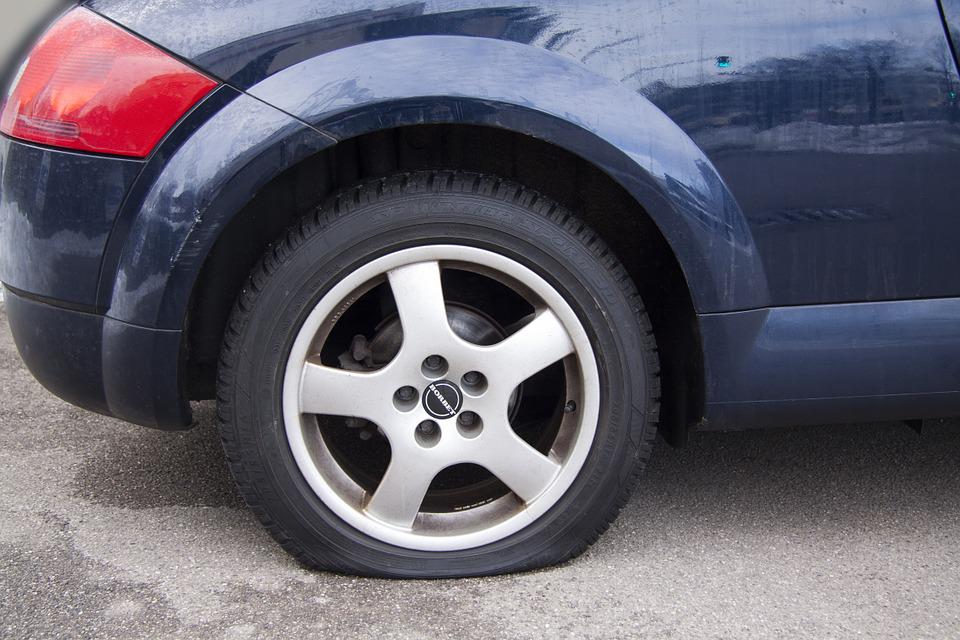
If you keep adding air to the same tire, you likely have a slow leak. Unlike a blowout, slow leaks can develop over days or weeks. Many drivers ignore them because the tire does not look flat. That can be risky.
Driving on an underinflated tire increases heat, stress, and wear.
What Is a Slow Tire Leak?
A slow leak happens when air escapes from a tire gradually instead of all at once.
You may notice:
- TPMS warning light
- One tire repeatedly low
- Tire pressure drops every few days
- Vehicle feels slightly off
Even losing 2 to 5 PSI regularly is worth investigating.
Small Punctures Are Common
Nails, screws, and sharp debris are leading causes of slow tire leaks. Sometimes the object remains embedded, sealing the hole partially, creating a slow leak rather than a sudden flat.
Common culprits include:
- Nails
- Screws
- Metal shavings
- Glass
- Construction debris
Not all punctures are repairable, depending on location and damage size.
Valve Stem Leaks
The valve stem is where air enters the tire. Over time, valve components can wear or crack.
Leaks may come from:
- Aging rubber stems
- Damaged valve cores
- Missing valve caps
- Corrosion
These leaks are small but persistent.
Bead Leaks Around the Rim
The bead is where the tire seals against the wheel. Corrosion, dirt, or wheel damage can break that seal.
Bead leaks are more common in:
- Older wheels
- Rust-prone climates
- Damaged rims
Even minor sealing problems can cause repeated pressure loss.
Wheel Damage Can Cause Air Loss
Hitting potholes or curbs can bend wheels. Even slight deformation can compromise sealing.
Signs include:
- Vibration
- Repeated leaks
- Visible rim damage
Some wheel damage is obvious, while some requires inspection.
Temperature Can Affect Tire Pressure
Cold weather naturally lowers tire pressure.
A general rule:
- Tire pressure drops about 1 PSI for every 10°F temperature decrease
This is normal and not always a leak. However, if only one tire repeatedly loses air, the issue is likely mechanical.
Why Driving on Low Pressure Is Dangerous
Low tire pressure affects more than comfort.
It can cause:
- Poor handling
- Reduced braking performance
- Faster tread wear
- Lower fuel economy
- Higher blowout risk
Even mild underinflation increases stress on the tire.
What You Should Do
If your tire keeps losing air:
1. Check Pressure Regularly
Use a gauge instead of relying only on TPMS.
2. Inspect Visually
Look for:
- Embedded objects
- Sidewall damage
- Cracks
- Visible punctures
3. Do Not Keep Refilling Forever
Repeatedly adding air does not fix the problem.
4. Schedule Inspection
A technician can identify hidden leaks quickly.
Can You Use Tire Sealant?
Emergency sealants can help temporarily. But they are not always ideal because they can:
- Complicate repairs
- Hide damage
- Fail under certain conditions
They should be viewed as short-term solutions only.
When to Replace Instead of Repair
Replacement may be necessary if:
- Sidewall damage exists
- Puncture is too large
- Tire is badly worn
- Structural damage is present
Safety matters more than squeezing extra miles from a damaged tire.
