Shopping for tires can feel confusing fast, especially when you’re trying to decode terms like all-season, all-weather, and winter. They sound similar, but they’re designed for very different driving conditions. Choosing the right type of tire can make a real difference in safety, traction, and confidence behind the wheel.
Here’s a clear, no-nonsense breakdown to help you understand what each tire type is made for and which one might be right for you.
All-Season Tires: The Everyday Option
All-season tires are the most common choice on passenger vehicles. They’re designed to provide balanced performance across a wide range of conditions.
What they’re good at:
- Dry and wet pavement
- Light rain and mild weather changes
- Comfortable, quiet everyday driving
Where they fall short:
- Snow, ice, and freezing temperatures
- Severe winter conditions
All-season tires use rubber compounds that work well in moderate temperatures but start to harden as it gets colder, reducing grip. They’re a solid option if you live in an area with mild winters and only occasional light snow.
All-Weather Tires: A Step Up for Changing Seasons
All-weather tires are often confused with all-season tires, but they’re a different category. Think of them as a hybrid between all-season and winter tires.
What sets them apart:
- Designed to perform better in cold temperatures
- Better traction in snow and slush
- Marked with the Three-Peak Mountain Snowflake (3PMSF) symbol
All-weather tires can stay on your vehicle year-round while still providing improved winter performance compared to all-season tires. They’re a good choice for drivers who experience real winter conditions but don’t want the hassle of seasonal tire changes.
Winter Tires: Built for Cold, Snow, and Ice
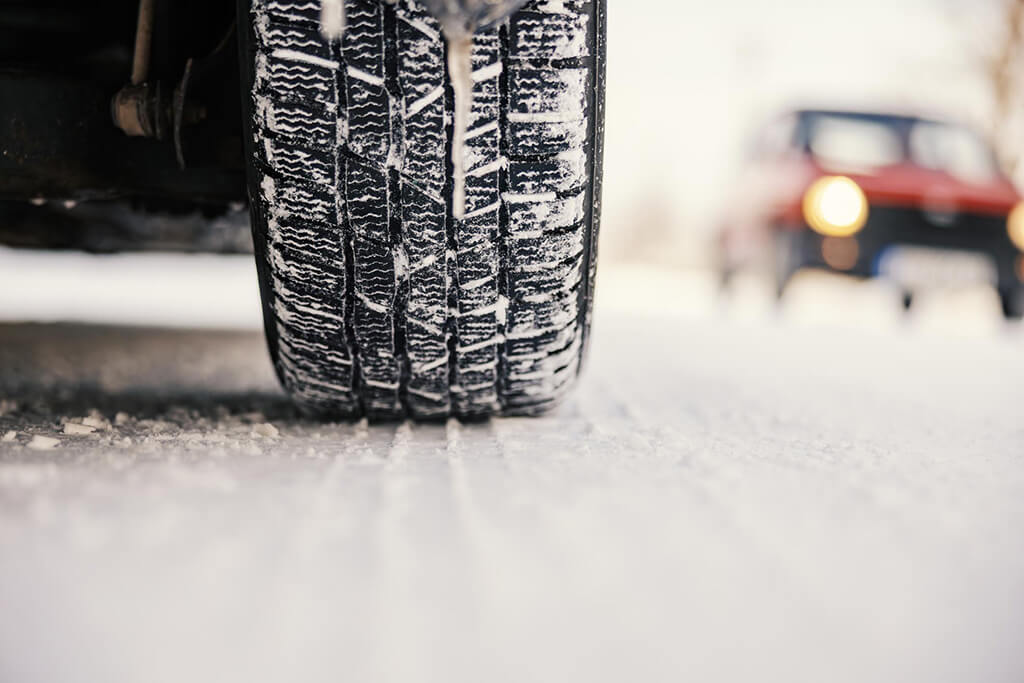
Winter tires (sometimes called snow tires) are specifically engineered for harsh winter driving.
What makes them different:
- Softer rubber that stays flexible in freezing temperatures
- Aggressive tread patterns that grip snow and ice
- Shorter stopping distances in winter conditions
Things to know:
- Best used when temperatures consistently stay below 45°F
- Not recommended for year-round use due to faster wear in warm weather
If you regularly drive in snow, ice, or hilly winter conditions, winter tires provide the highest level of control and safety.
How to Tell Which Tire Is Right for You
Ask yourself a few key questions:
- Do winters in your area bring snow and ice, or just cold rain?
- Do you drive early mornings or late nights when roads may be untreated?
- Are you comfortable switching tires seasonally?
Quick guide:
- Mild climate: All-season tires
- Mixed climate with snow: All-weather tires
- Severe winter conditions: Winter tires
Your driving habits matter too. Frequent highway driving, long commutes, or rural roads may call for more winter traction than city driving alone.
Why the Right Tire Choice Matters
Using the right tire for your conditions can:
- Improve braking and steering control
- Reduce the risk of skidding or sliding
- Increase confidence in bad weather
- Help your tires wear more evenly
No tire can overcome extreme conditions entirely, but the right choice can significantly reduce risk.
Understanding Tires is the Key to Making the Right Choice
Knowing the difference between all-season, all-weather, and winter tires puts you in control when it comes to tires. If you’re unsure which option best fits your climate, vehicle, or driving routine, a quick conversation with a tire professional can help you make a confident, informed choice before the next season hits.
